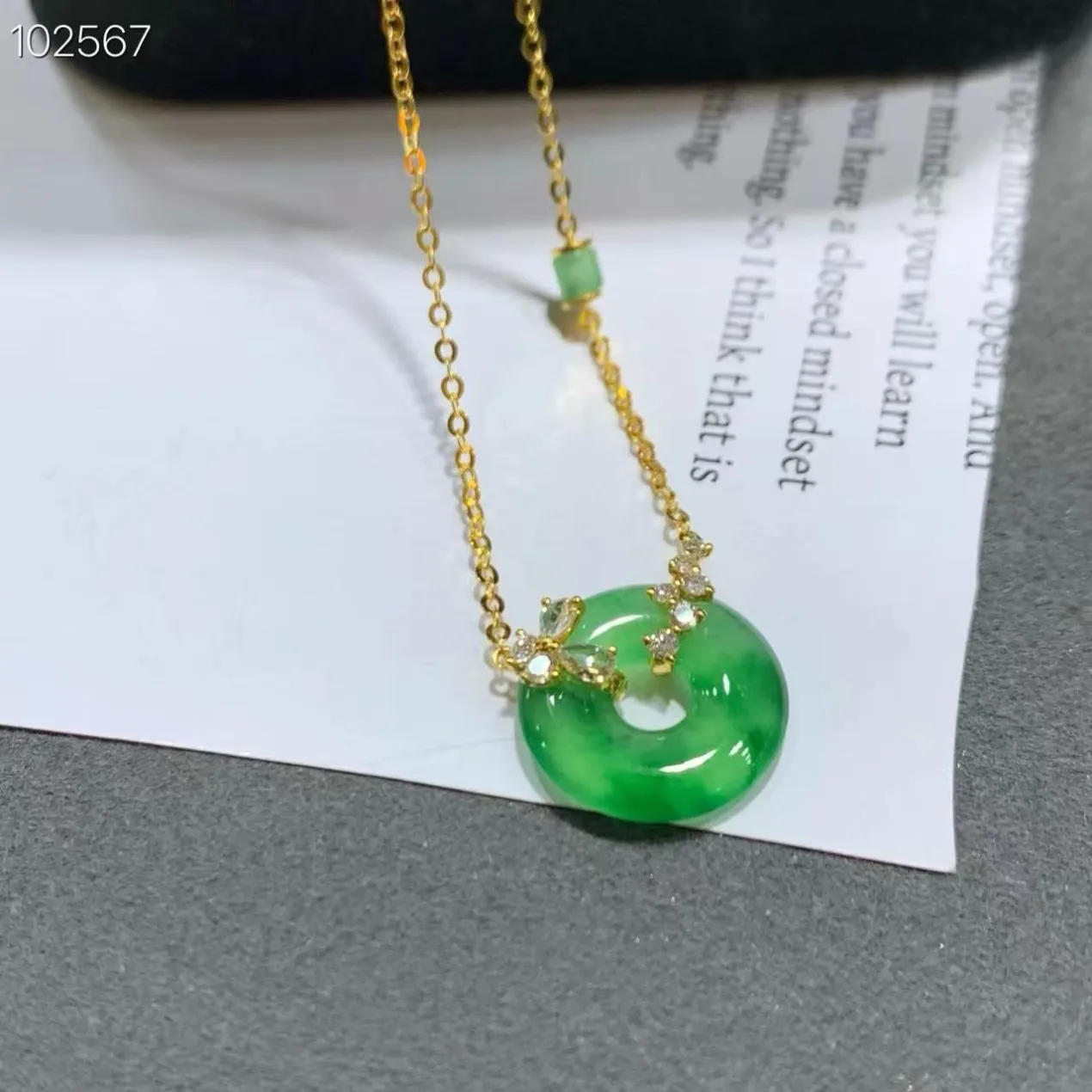
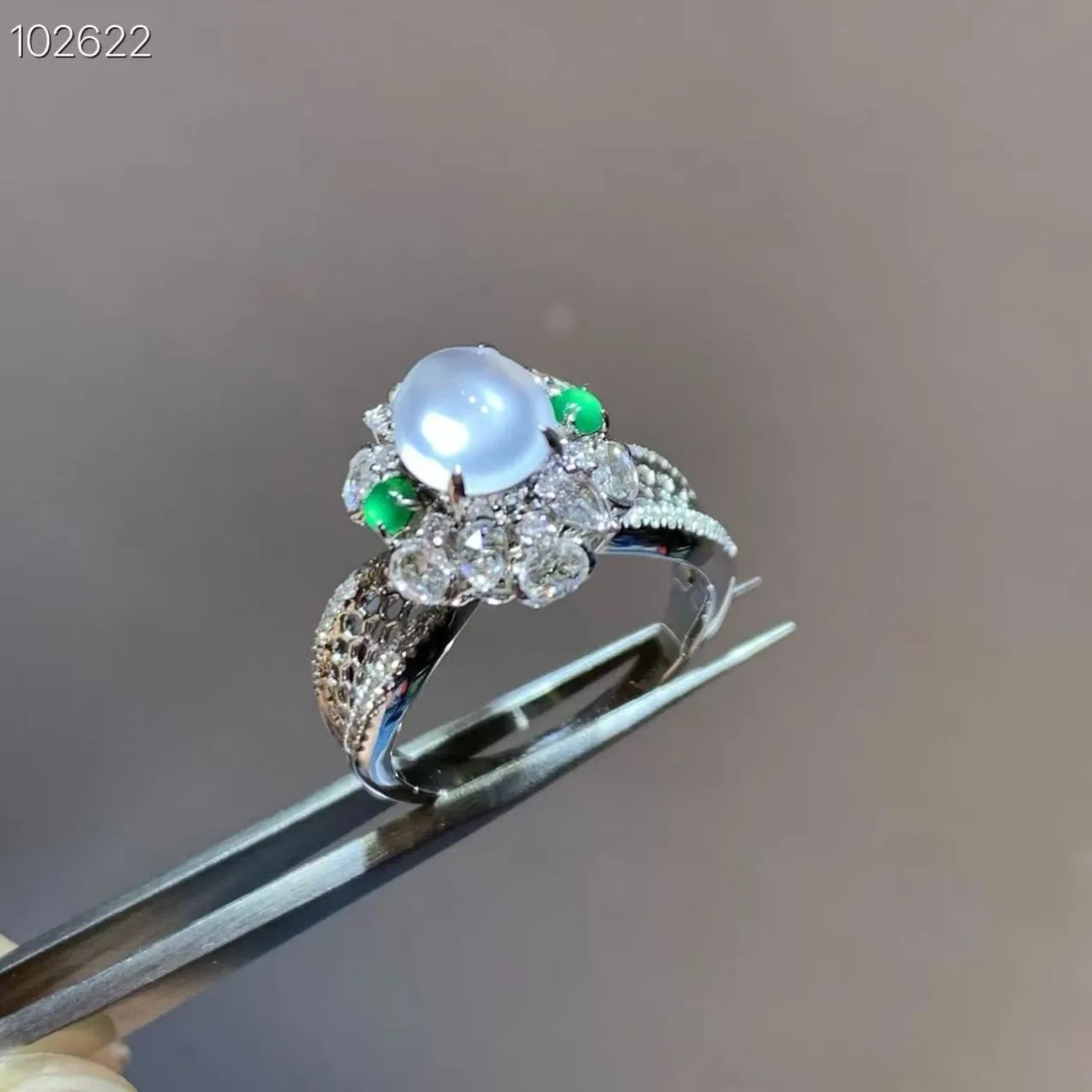
Aug 1, 2026A Essential Guide to Choosing Jadeite Jewellery
How to Select Jadeite Jewellery
How to Choose Jadeite Jewelry Check jadeite’s texture, translucency and color. Inspect flaws, cracks, thickness and craftsmanship, and verify its authenticity certificate.
I. Texture (Jadeite texture, top priority)
‘Texture’ refers to the fineness and density of the crystal grains within the jadeite, which determines its translucency and durability.
The finer the crystals and the denser the structure, the higher the quality.
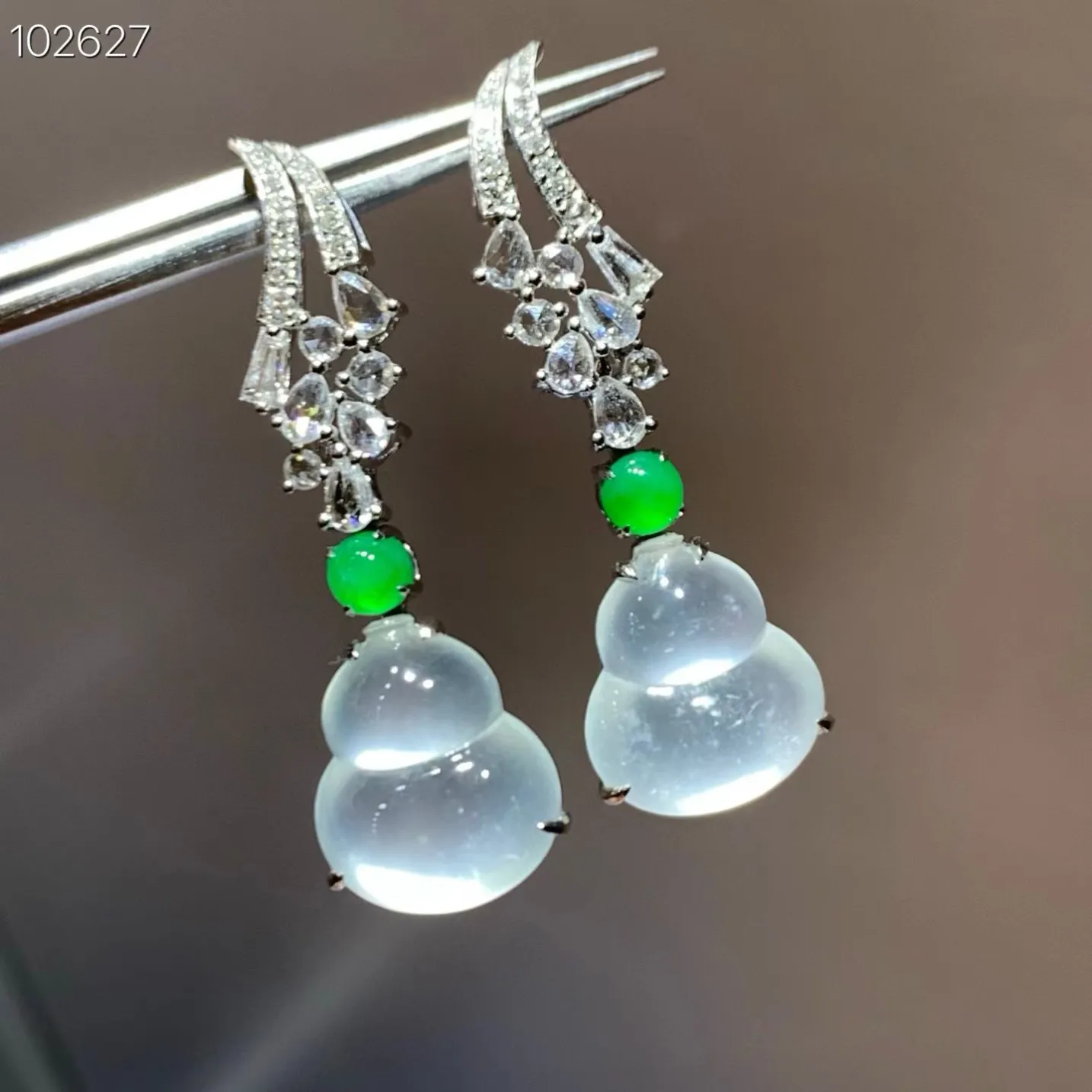
Grade reference (from highest to lowest): Glass-like > Ice-like > Glutinous Rice-like > Bean-like;
Key purchasing tips: Avoid Bean-grade jadeite with a noticeably coarse texture; prioritise material with fine crystals and no coarse particles visible to the naked eye. At the same price point, superior ‘Zong’ is preferable to intense colour.
II. ‘Shui’ (Luminosity, Transparency)
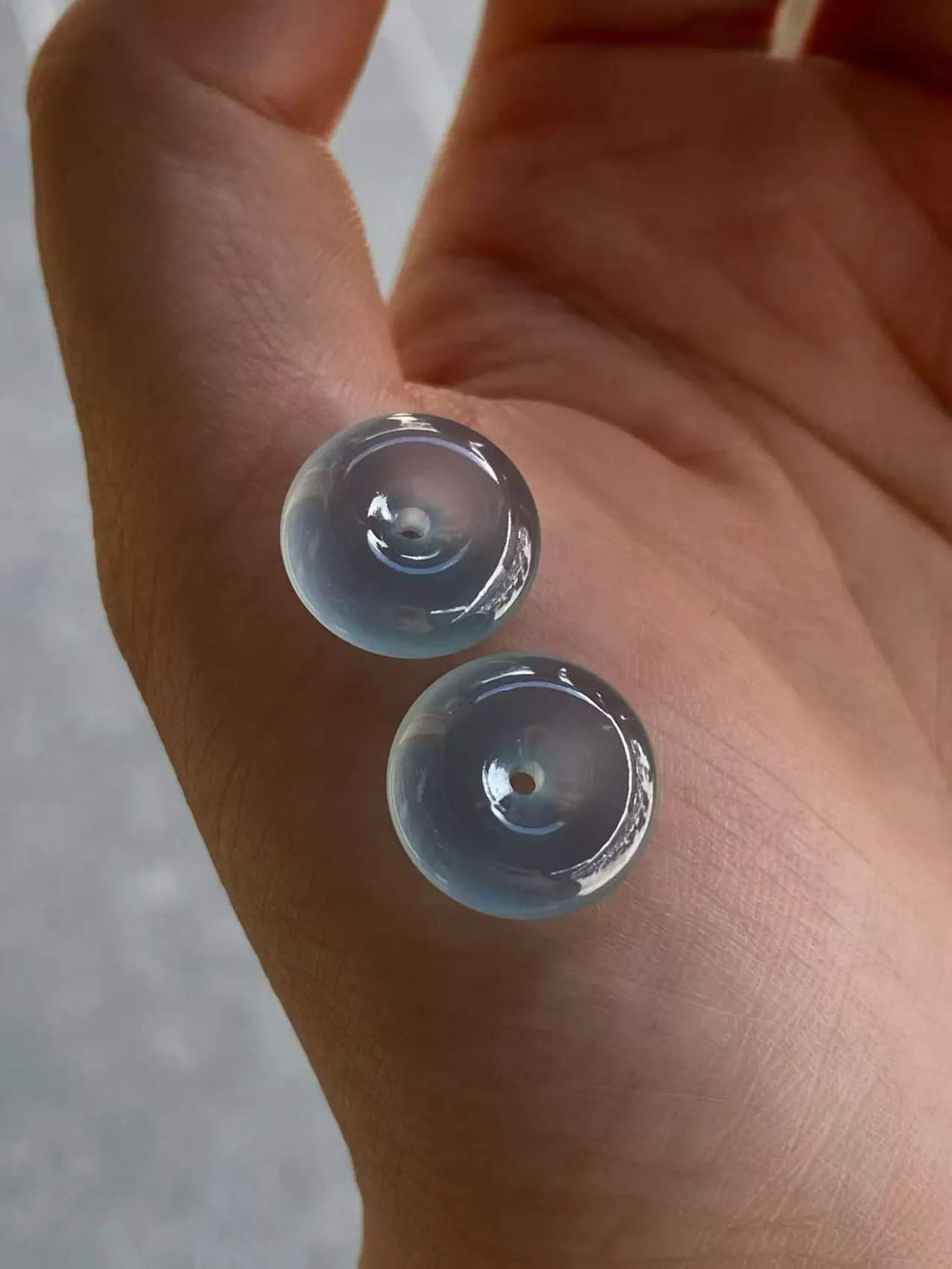
‘Shui’ refers to the moisture and transparency of jadeite.
Good water head: The lustre is vibrant and lustrous, and light can penetrate moderately;
Poor water head: The surface appears lifeless and dry, lacking vitality;
⚠️ Distinction: Do not mistake ‘thin material that allows light to pass through’ for good water head; thin pieces tend to appear more transparent visually, so be sure to pay attention to the actual thickness of the piece.
III. Colour (colour, emphasising ‘purity, evenness, brightness and intensity’)
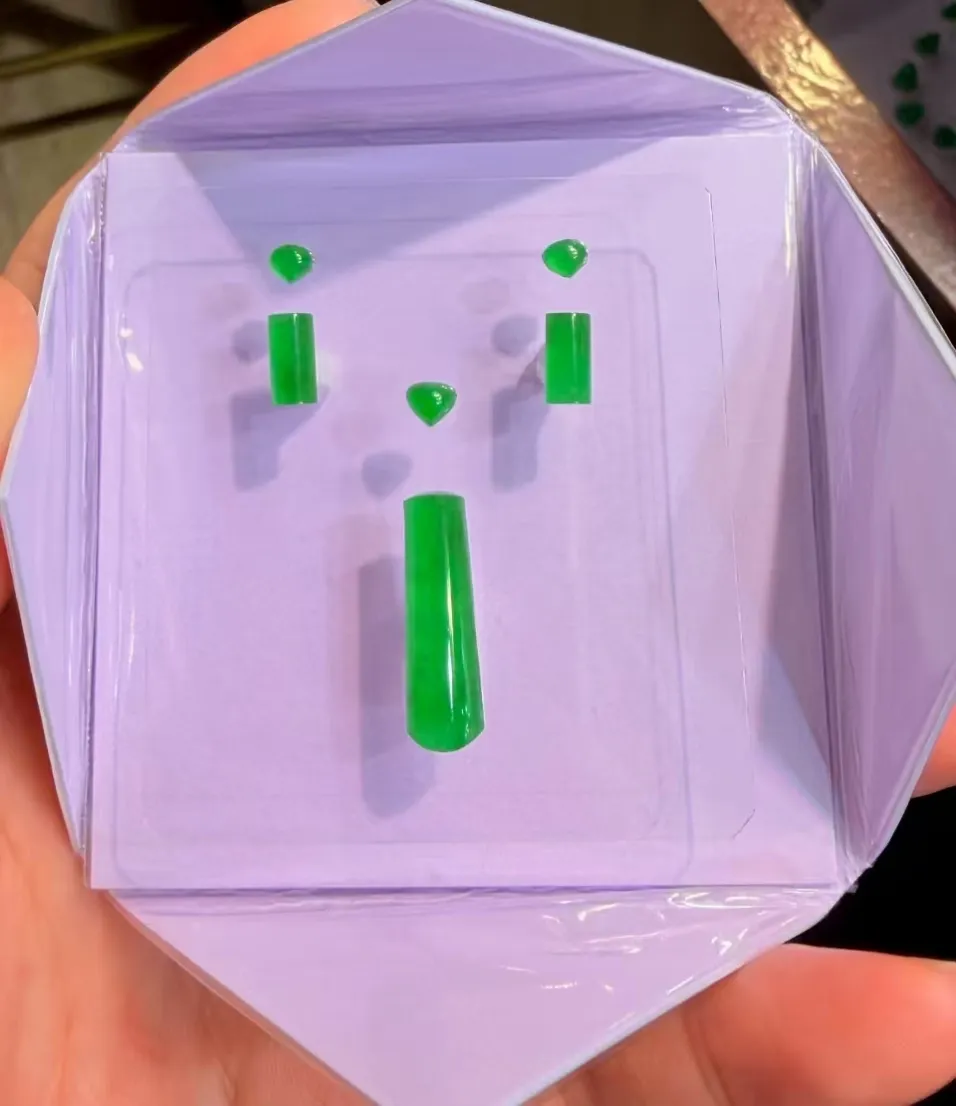
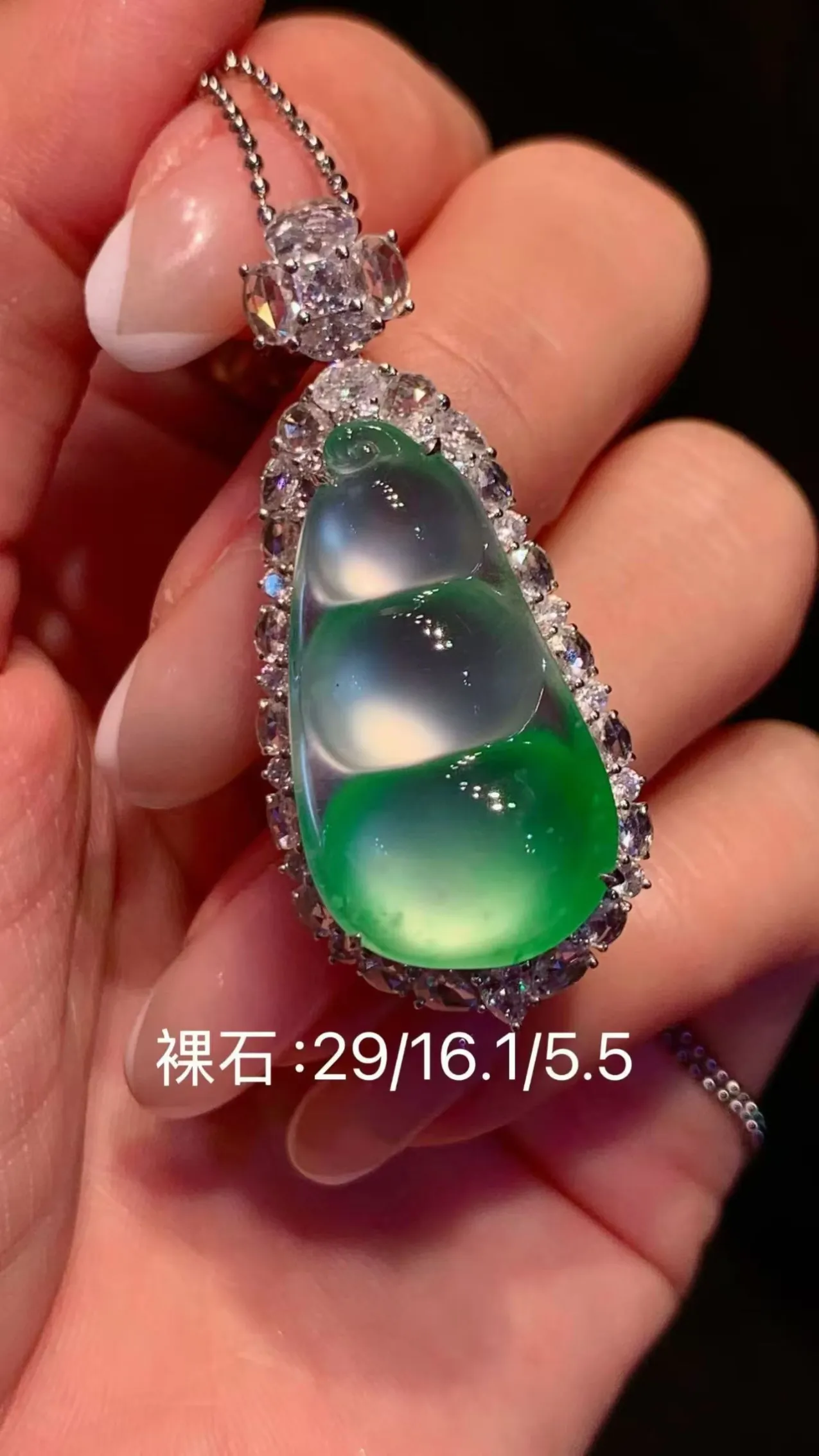
Jadeite comes in a rich variety of colours, with green being the most common; however, violet, yellow jadeite, ‘clear water’ and ‘floating flower’ patterns are also highly prized.
Evaluation criteria:
✅ Purity: The hue is pure; the green does not lean towards grey or black;
✅ Brightness: The colour is vivid and not dull;
✅ Even: The colour is evenly distributed;
✅ Rich: The saturation is moderate; if too intense, it appears blackish; if too pale, it lacks vitality.
Key pitfalls to avoid: Jadeite with a greyish or dull appearance will see its value drop significantly. For jadeite with floral patterns, ensure the patterns are lively and avoid those that are chaotic or murky.
IV. Base and Floral Patterns (Overall Appearance of the Base)
The base refers to the ground of the jadeite excluding the coloured portions; it is best when clean, free from ‘cotton’ and with minimal impurities.
‘Cotton’, stone veins, black spots and discolouration will all lower the grade.
Key distinction: Stone veins vs. cracks
Stone veins: Naturally formed, closed, and do not affect structural integrity;
Cracks: Transparent fissures that are prone to breaking under external force; jadeite with obvious cracks should be avoided wherever possible.
V. Craftsmanship, Dimensions and Thickness
Craftsmanship: Fluid lines and harmonious proportions; for Buddha statues and figurines, the face should be clean and free from discolouration or blemishes;
Thickness is crucial: for pieces of equivalent quality, thin items are worth far less than thicker ones; many low-priced jadeites rely on thin slices to enhance the appearance of translucency;
Practicality of design: pendants, bracelets and rings—choose according to your wearing needs.
VI. Important Additional Considerations: Certificates (Essential for Avoiding Pitfalls)
Natural Grade A jadeite: Polished and carved using physical methods only; no acid washing, resin injection or dyeing;
Grade B (acid-washed and resin-filled), Grade C (dyed) and Grade B+C jadeite are considered enhanced and are unsuitable for long-term wear; their value is very low;
✅ When purchasing, be sure to request an authoritative authentication certificate that can be verified via the official website by scanning the QR code.